
Tokenisation is soaring in the UK: Soda Labs in London this autumn
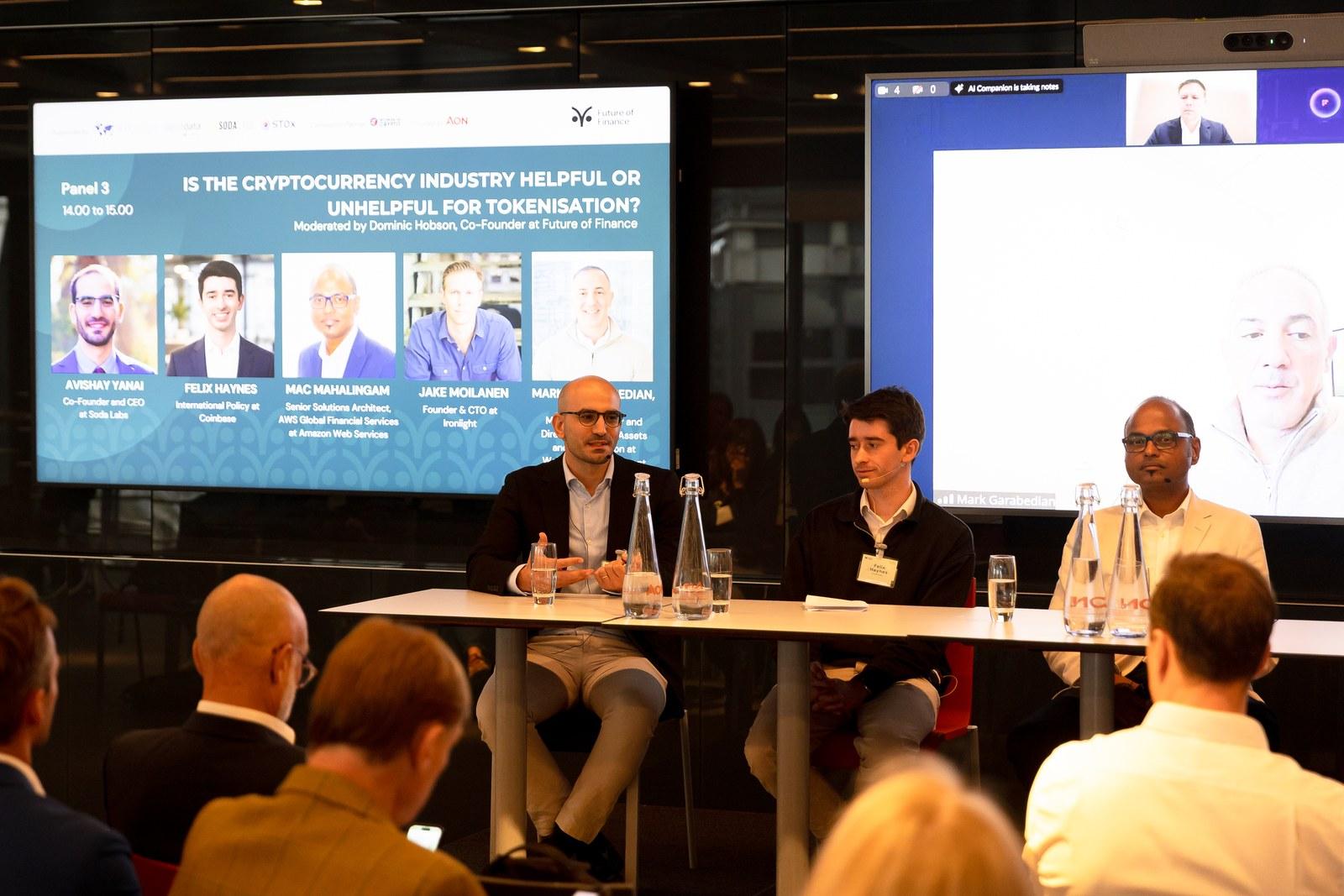
Tokenisation is soaring in the UK, and this autumn took Soda Labs to London three times. This post collects those stops in one place: a panel at Future of Finance's Tokenisation 2026 in October, a reception at the House of Lords in September and Blockworks' Digital Asset Summit (DAS) London in November.
Future of Finance Tokenisation 2026, 14 October

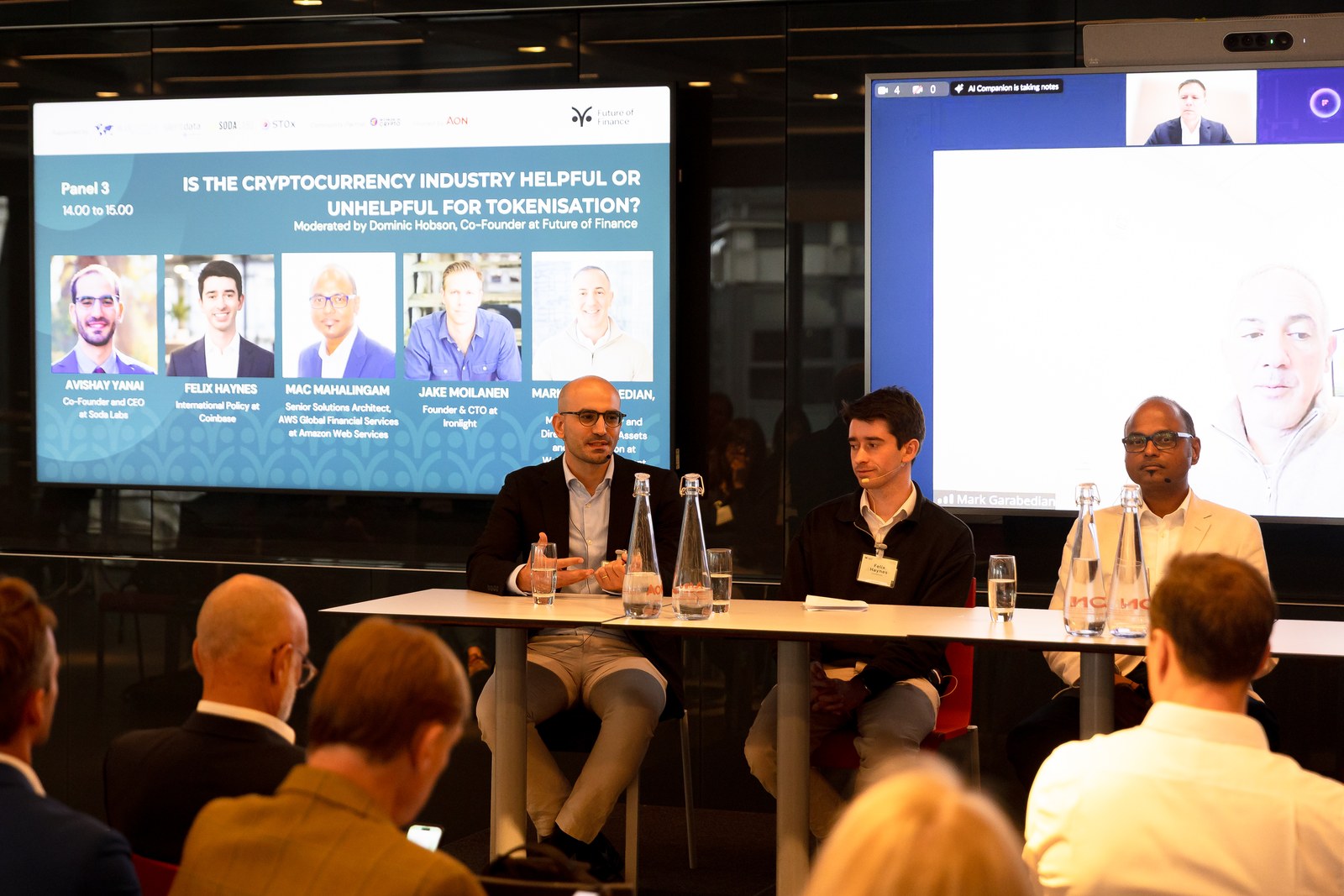
Photo: Future of Finance
On 14 October, Soda Labs joined Panel 3 at Future of Finance's Tokenisation 2026 conference in London. The question on the screen: is the cryptocurrency industry helpful or unhelpful for tokenisation? A Future of Finance co-founder moderated, and the panel included people from Coinbase, Amazon Web Services, Ironlight and Wellington Management, one of them joining by video.
Soda Labs already set out its own answer in an earlier post: crypto built the rails, and tokenisation needs them to grow up. Future of Finance has since shared fifteen written takeaways from the session. Five of them stood out.
Crypto isn't one thing. It is a tech stack bundled with an unregulated bearer-asset legal model, and it shares that stack with regulated instruments controlled by a transfer agent. The room split roughly three ways on its influence.
Confusion is a plumbing problem. Mixing up bearer crypto assets and tokenised securities is a disclosure issue, not a marketing one. The fixes proposed were clear on-chain disclosure of issuer identity, custodian and jurisdiction, plus visibly distinct token design.
Recourse separates the two. Bitcoin and Ether are bearer assets with no recourse if stolen. Tokenised funds keep a transfer agent that can freeze, burn and reissue stolen assets, with KYC and AML required before any transfer.
Liquidity islands. Tokenised shares of the same stock on different platforms are not fungible with each other. That widens spreads and adds volatility, much like earlier fragmentation in traditional equity markets.
Regulation closes the confidence gap. Panellists pointed to full crypto frameworks coming into force in the UK from next year, and increasingly in the US, as the precondition. Institutions need the same custody and client-protection standards on-chain as off it.
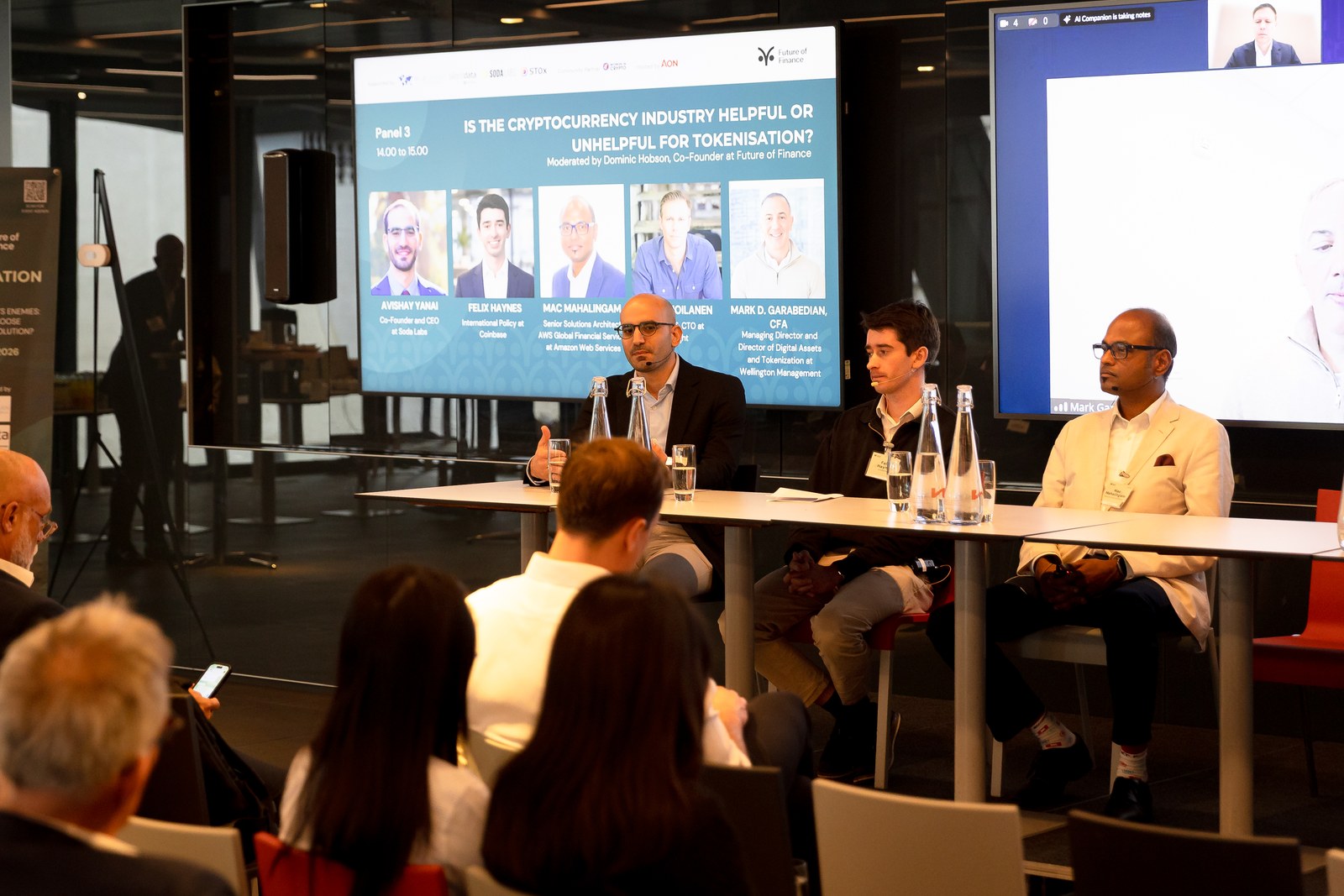
Photo: Future of Finance
Several of these points come back to the same gap Soda Labs argued on the panel: institutions need confidentiality with controlled disclosure. Soda Bubble uses garbled-circuit MPC so smart contracts on EVM chains can compute on encrypted data. No single MPC node can read the data on its own. Disclosure is selective. ACL grants decide which values each party can view, so an auditor or regulator sees what it has been granted without it becoming public.
Soda Labs thanks the Future of Finance team for hosting and for sharing the takeaways and photos. The full event recap is on the Future of Finance site.
House of Lords, 21 September

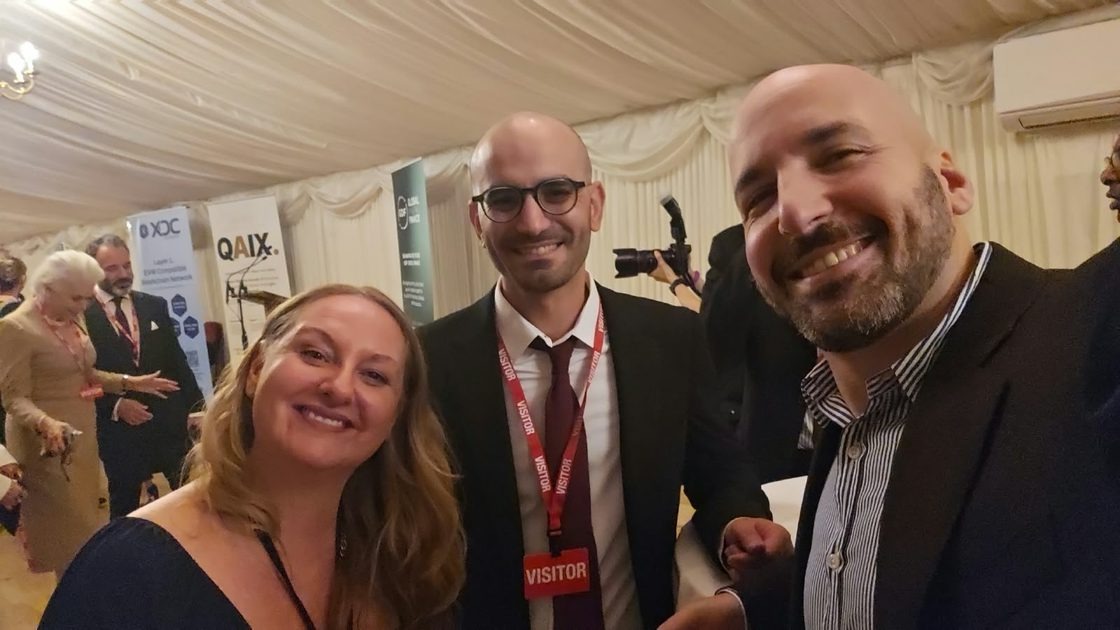
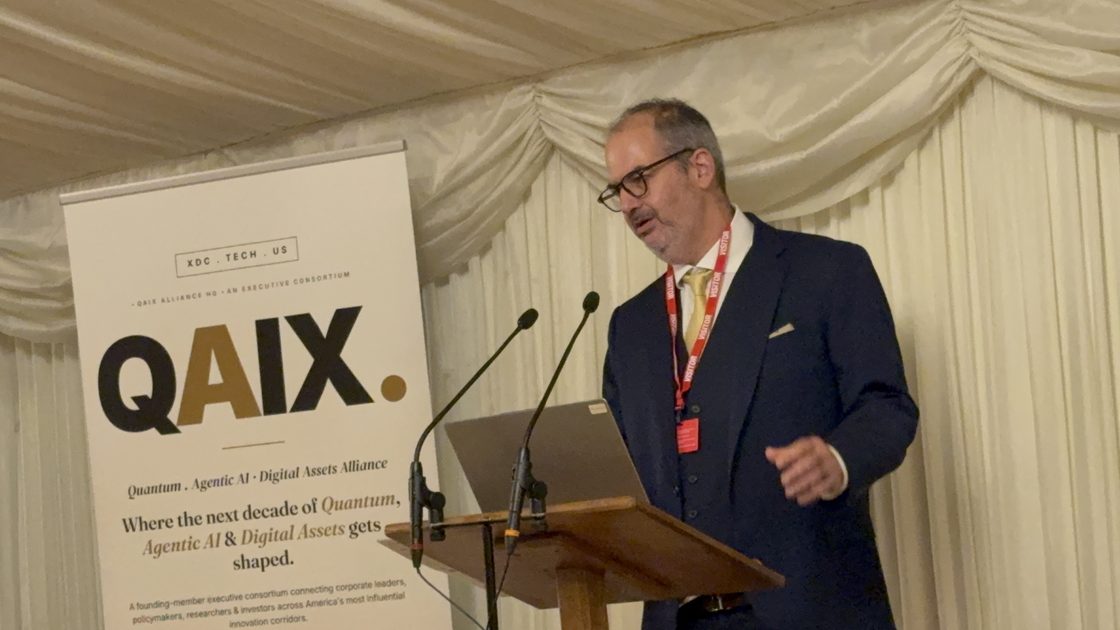
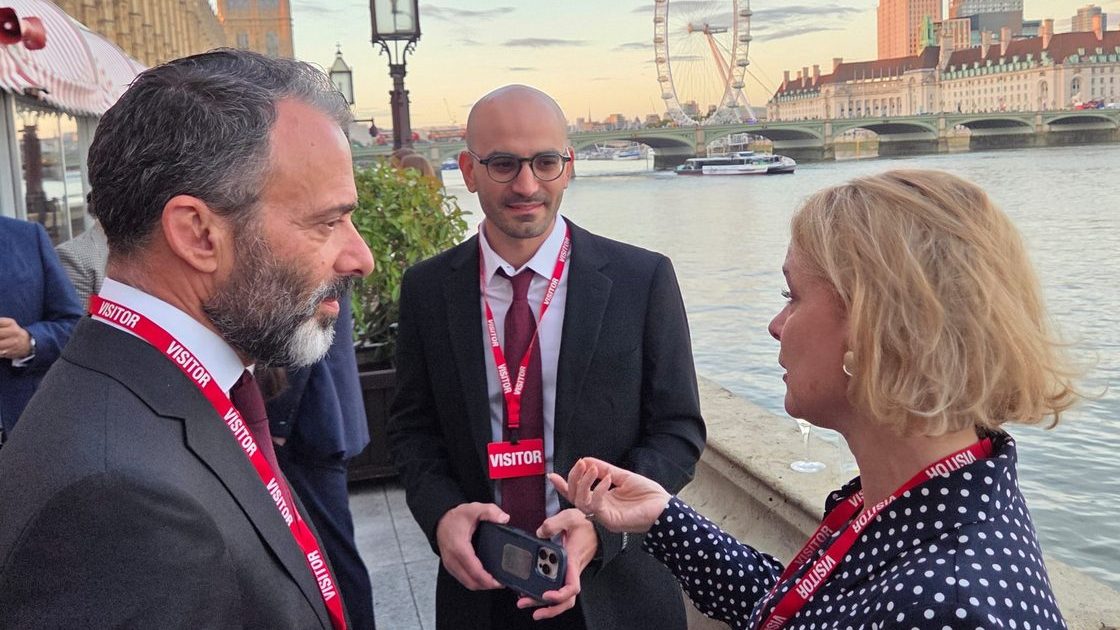
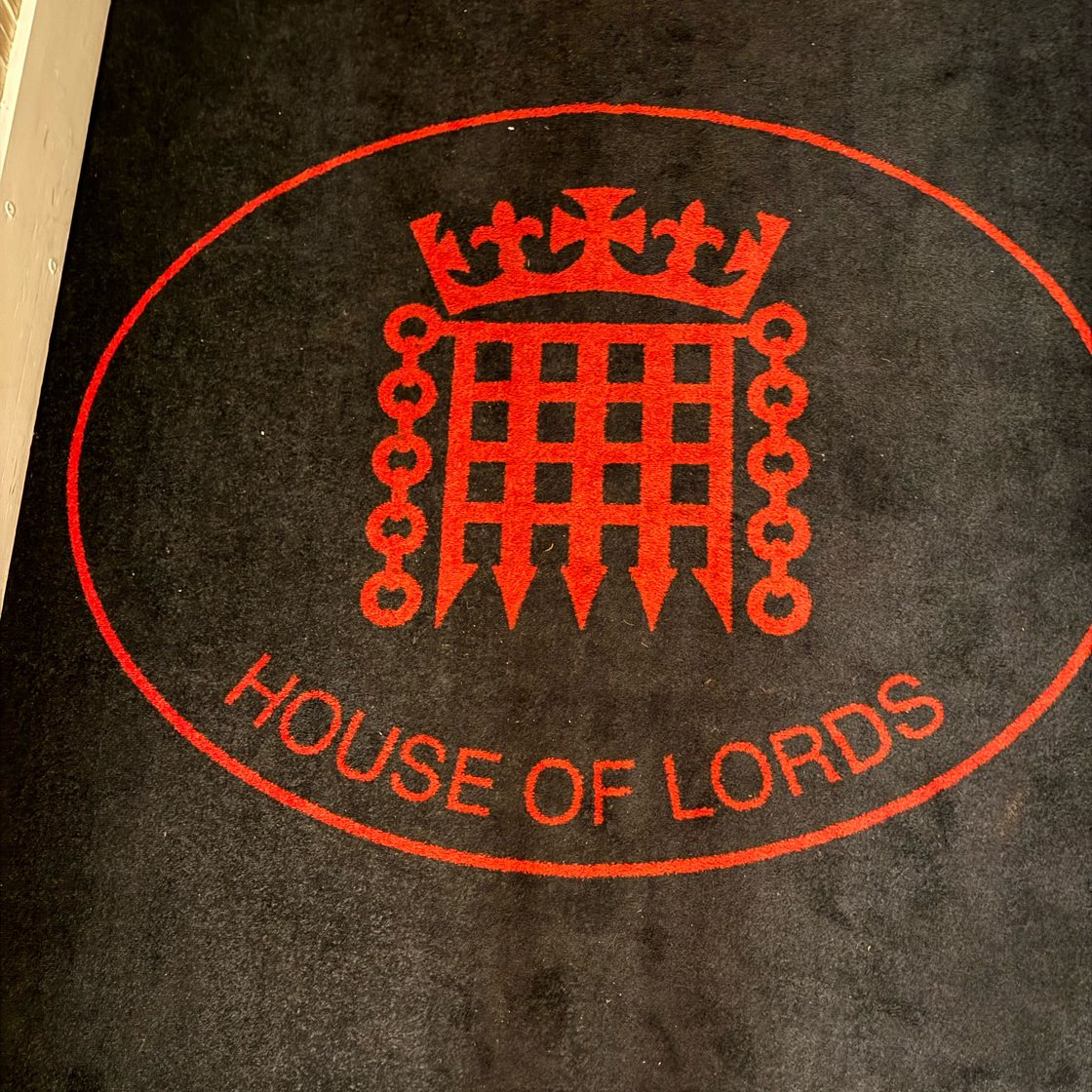
On Monday 21 September 2026, Soda Labs attended the Digital Assets Leaders Reception at the House of Lords in London as guests. The reception was held by QAIX, the Quantum, Agentic AI and Digital Assets Alliance, with XDC.
Evenings like this matter because the rules for tokenised finance are being shaped now, and confidentiality has to be part of that conversation from the start, not added later.

DAS London, 10 to 11 November


Soda Labs attended Blockworks' Digital Asset Summit London from 10 to 11 November at the London Hilton on Park Lane.
The summit brought together asset managers, banks, fintechs, policymakers and crypto-native teams for two days of sessions on stablecoins, real-world assets and on-chain finance. Soda Labs will share its takeaways from DAS London in an upcoming post and in the next Soda Labs newsletter.
Talk to Soda Labs
Soda Labs builds programmable privacy infrastructure for blockchains. If you are building tokenised assets or institutional on-chain products and keep running into the "public forever" problem, talk to Soda Labs at sodalabs.xyz.